Buying a home in Charleston is an exciting milestone. But before you fall in love with the porch, the layout, or the neighborhood, it’s important to take a close look at the system running in the background: the HVAC. Heating and cooling systems are one of the most expensive systems in the house to repair or replace, and in our coastal climate, they work harder and wear faster than they would almost anywhere else.
So, should you get an HVAC inspection before buying a house? Yes — and ideally with more scrutiny than a standard home inspection provides. A general home inspector gives the system a basic once-over: does it turn on, does it heat and cool? It rarely evaluates the system’s condition, efficiency, or remaining lifespan. A dedicated HVAC inspection for a home purchase tells you whether you’re inheriting a reliable system or a near-term replacement that belongs in your negotiations.
This guide walks Charleston homebuyers through what an HVAC inspection before buying a house should cover, the local conditions that affect these systems, the HVAC questions to ask, and how to tell whether the unit is an asset or a future expense.
Why Get a Dedicated HVAC Inspection Before Buying a House?
A standard home inspection covers a lot of ground, but it typically gives the HVAC system only a quick functional check, not a real look at its condition, efficiency, or how many years it has left.
A dedicated HVAC inspection for a home purchase looks at the things that actually predict cost and reliability: the equipment’s age and remaining lifespan, refrigerant and coil condition, the state of the ductwork, and how well the system manages our humidity. In a coastal market like Charleston, that closer look at the heating and cooling before buying is especially worth it.
HVAC Basics for Homebuyers
HVAC stands for heating, ventilation, and air conditioning. In simple terms, your system pulls air from inside the home, conditions it (heating or cooling), filters out dust and particles, and then circulates the treated air back through ductwork or wall-mounted units. At the same time, it helps manage humidity levels, which is no small job in Charleston’s coastal climate.
Common HVAC system types found in Charleston homes include:
- Heat pumps: Handle both heating and cooling with electricity, and suit our mild winters and long cooling season well.
- Central air conditioning with a furnace: An outdoor AC unit for cooling paired with a gas or electric furnace for heat, offering reliable year-round performance.
- Ductless mini-split systems: Provide zoned heating and cooling without ductwork, ideal for additions, older homes, or rooms that never feel quite right.
No matter the system type, proper sizing is critical. An HVAC system that is too small may struggle to keep up on hot, humid days, while a too-large air conditioning unit short-cycles, which hurts energy efficiency, comfort, and lifespan. Correct sizing delivers steady temperatures, good humidity control, and lower bills.
Charleston-Specific Factors That Affect HVAC Performance
Our climate is harder on HVAC equipment than most of the country. Keep these local factors in mind during an HVAC inspection for home buying:
Salt Air Corrosion Near the Coast
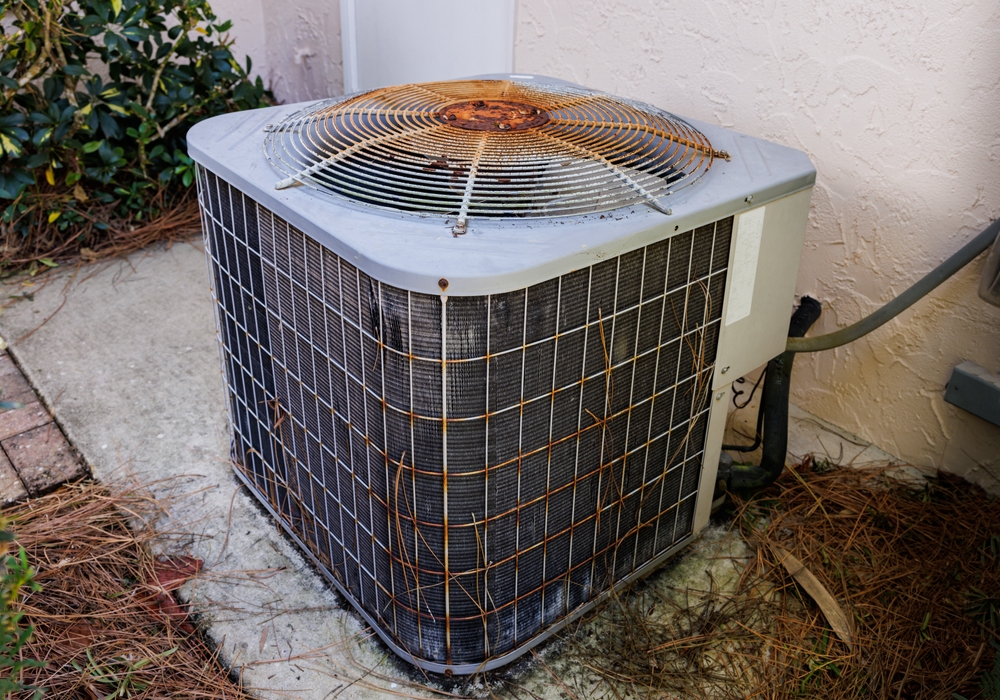
Homes closer to the water are exposed to salty air that corrodes HVAC systems’ outdoor coils, cabinets, and electrical connections, shortening a system’s lifespan. Coastal-rated equipment, protective coatings, and regular maintenance matter most in these areas.
High Humidity and Mold Risk
Charleston’s humidity doesn’t just make the air feel warmer. It also places extra strain on cooling systems. A system that’s undersized or poorly designed can leave indoor humidity high, leading to discomfort, musty odors, and mold.
Heavy Pollen Seasons and Indoor Air Quality
Lowcountry pollen seasons are intense, making indoor air quality a top priority for many homeowners. Better filtration, sealed ductwork, and optional air purification go a long way toward keeping allergens out of the air you breathe.
Storm and Hurricane Exposure
Tropical storms and hurricanes bring heavy rain, high winds, and power outages that can damage HVAC equipment. Outdoor units should be securely mounted, positioned to limit flood risk, and inspected regularly so they’re ready for severe weather.
What Should an HVAC Inspection for a Home Purchase Cover?
An HVAC inspection before buying a home can reveal valuable insight into future comfort, maintenance needs, and potential replacement costs. While a professional inspection is always recommended, understanding the basics helps you ask the right questions and spot potential red flags.
The HVAC Unit’s Age and Average Lifespan
Most HVAC systems last 10–15 years, though some can reach 20 years with excellent maintenance and favorable conditions. ENERGY STAR suggests considering replacement once an air conditioner or heat pump passes 10 years, or a furnace passes 15 years old. As a quick guide:
- Under 10 years old: usually still has solid value left.
- 10–15 years old: may run fine, but evaluate it closely.
- Over 15 years old: more likely to need major repairs or replacement soon.
If the system is near the end of that range, you’ll want to weigh repairing versus replacing — something we break down in our guide on when to replace your HVAC system.
Model, Manufacturer, Warranty, and Service Records
Find the model and serial numbers, any HVAC repair or maintenance documentation, and any remaining manufacturer or labor warranties. A well-documented service history is a positive sign; missing records or vague repair histories are a yellow flag. Equipment from established brands like Trane tends to offer strong reliability and warranty coverage.
Condition of Outdoor Condenser and Indoor Components
A visual inspection can reveal important clues about the state of your components. Check the outside condenser for:
- Excessive rust, corrosion, or bent fins on the outdoor unit
- Water pooling, refrigerant leaks, or oil stains
- Unusual noises or vibrations during operation
Inside, check that the air handler or furnace appears clean, properly secured, and free of moisture damage.
Ductwork Inspection
The indoor ductwork of the HVAC system should be sealed, insulated, and in good condition. Signs of trouble include visible gaps, crushed sections, poor insulation, excessive dust buildup, or musty odors.
HVAC System Features
Note any upgrades that add comfort and energy savings: a smart or programmable thermostat, high-quality air filtration, good efficiency ratings (SEER2, ENERGY STAR certification), and zoning for room-by-room temperature control.
Questions to Ask About Your HVAC Inspection Before Buying a House
A few direct questions to the seller, the listing agent, or your inspector can save you from expensive surprises and costly repairs. Before you buy, ask:
- How old are the heating and cooling units?
- When was the heating and air conditioning system last serviced, and is there a maintenance record?
- Are any manufacturer or labor warranties still in effect?
- Has the system had any major repairs, such as a compressor, coil, or refrigerant leak?
- What do the typical monthly energy bills look like?
- Is the outdoor unit coastal-rated or protected against salt-air corrosion?
- Has the ductwork ever been inspected, sealed, or replaced?
Clear, confident answers usually point to a well-cared-for system. Vague ones (or “we’re not sure”) are a sign to dig deeper into potential problems before closing.
Find a Heating and Air Conditioning Team in Charleston to Perform an HVAC Inspection for a Home Purchase
The HVAC system can be one of the most expensive surprises in a new home, or one less thing to worry about. A professional HVAC inspection before buying a house tells you exactly which one you’re getting.
As a family-owned company serving Charleston and the Lowcountry since 2004, AGL Heating & Air knows what coastal conditions do to these systems. We give honest assessments, whether that means a clean bill of health, a recommended repair, or planning for a replacement. If you’re buying a home and want to know what you’re getting, we’re glad to take a look.
Call us at (843) 795-0066 or reach out through our contact page to schedule a pre-purchase HVAC inspection.