
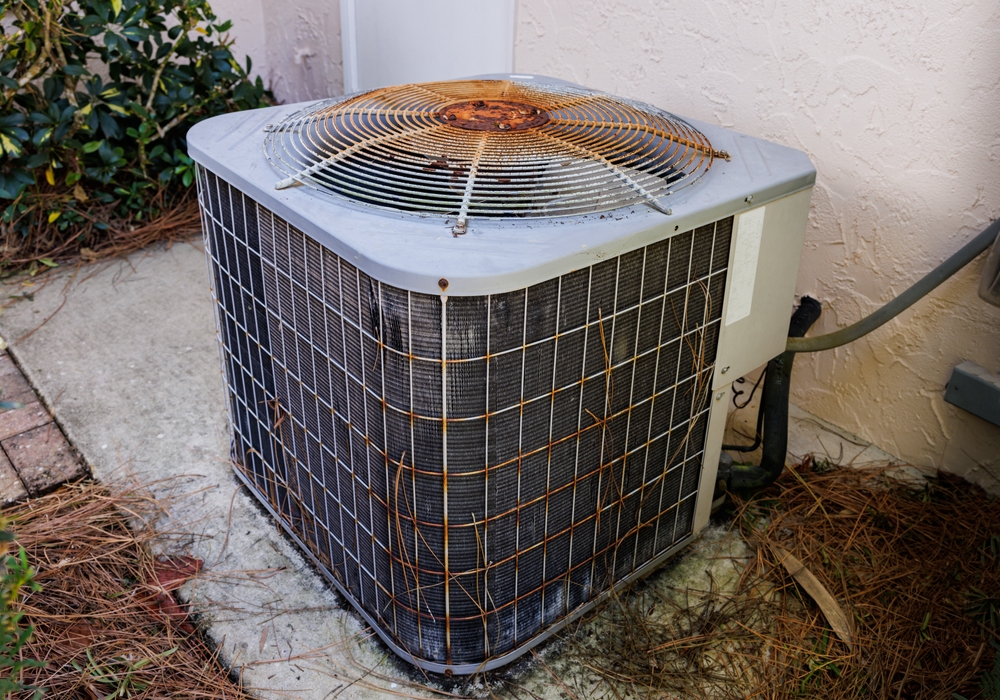
If your air conditioner is wheezing through another Lowcountry summer and the repair bills are starting to stack up, you’ve probably asked yourself the big question: When is it time to replace my HVAC system?
ENERGY STAR’s general guidance is to start considering replacing your HVAC system once an air conditioning system or heat pump passes 10 years, or a furnace passes 15 years, and sooner if repairs are piling up and your energy bills keep climbing. In the Lowcountry, our long cooling seasons, heavy humidity, and coastal salt air wear systems out faster, which tends to move that timeline up.
In this guide, we’ll cover the HVAC lifespan, how to tell when to replace your HVAC system rather than repairing it, and why deciding on your own schedule beats waiting for a breakdown.
How Long Does an HVAC System Last?
Most HVAC equipment lasts 10 to 20 years, depending on the type and how well it’s maintained. On average, central air conditioners last about 12–17 years, heat pumps 10–15 years, and furnaces 15–20 years. Well-maintained systems often reach the higher end of those ranges.
A HVAC’s lifespan comes down to a few factors:
– Maintenance history and how regularly it’s serviced
– How often the system runs
– The quality of the original installation
– Local climate conditions
The climate factor matters more than most homeowners realize. In the Lowcountry, systems run hard for much of the year, and coastal humidity and salt air accelerate corrosion and wear. Because of this, a Charleston-area system can reach the end of its useful life sooner than the same unit would in a milder, drier place.
The HVAC Lifespan
Here’s roughly what to expect in terms of performance and energy efficiency over an HVAC unit’s lifespan:
Year 1: Establish the Baseline
Your system should run smoothly and efficiently. Schedule an annual professional HVAC maintenance check-in and begin a routine filter-change schedule to keep performance strong.
Years 3–5: Early Wear Begins
Minor efficiency loss may start to appear, though performance is generally still reliable. Continue annual maintenance and replace filters regularly. Address small issues early to prevent bigger problems later on in your HVAC’s lifespan.
Years 6–10: Noticeable Decline
By this point, your utility bills may rise slightly as components begin to show signs of wear and tear. Minor repairs are more common at this stage. Seasonal professional inspections are important to maintain efficiency and comfort.
Years 10–15: Late-Stage Performance
Many systems begin approaching the end of their expected HVAC lifespan. You may experience more frequent repairs, comfort issues, and higher operating costs. This is a good time to start planning and budgeting for replacement.
15+ Years: Replacement Territory
The efficiency and reliability of old HVAC systems often drop significantly at this stage in the HVAC lifespan. Repair costs can rise quickly, and replacing the HVAC system is usually the most cost-effective option.
Safety Concerns with Old HVAC Systems
Beyond comfort and cost, an old HVAC system can present real safety risks for your home and family. As internal components deteriorate over time, the chances of hazardous conditions increase, making regular inspections and timely upgrades especially important.
Cracked heat exchangers can develop as metal repeatedly expands and contracts, potentially allowing combustion gases to mix with household air. Electrical components may also wear down, leading to wiring problems, failing control boards, or other malfunctions that increase the risk of system shutdowns or fire hazards. In homes with gas-powered equipment, older systems are more susceptible to leaks and improper combustion, which raises the risk of carbon monoxide exposure.
Old HVAC systems also struggle to filter air effectively and regulate indoor air quality, allowing more dust, allergens, and pollutants to circulate throughout the home. Excess moisture can also lead to musty odors or mold growth, creating health and comfort concerns.
Because these problems aren’t always visible, having an experienced HVAC technician evaluate an aging system is one of the most important steps homeowners can take to protect their household.
When to Replace Your HVAC System Instead of Repairing It
Replace your HVAC system when it’s past its expected lifespan and the cost of fixing it no longer makes financial sense.
ENERGY STAR points to that same pattern: equipment more than 10 years old that needs regular repairs has typically lost enough efficiency that a new system pays for itself over time. Age and a single pricey repair aren’t the whole story, though. Deciding when to replace your HVAC system usually comes down to a combination of factors — rising energy bills, frequent repairs, temperature and air quality issues — that signal that it’s time.
Watch for these warning signs that replacement is on the horizon:
– Your system is past, or nearing, the typical HVAC lifespan for its type
– You are calling your HVAC technician for more frequent and more expensive repairs
– Energy bills are rising even though your usage hasn’t changed
– Some rooms are too hot or too cold, or never quite comfortable
– Your old HVAC system is noisy, cycles on and off rapidly, or struggles with humidity
– Your AC unit still uses outdated R-22 refrigerant, which is costly and is being phased out
To put the repair-versus-replace math in perspective, here’s how common age-related repairs stack up:
| Common Age-Related HVAC Issue | Typical Repair Cost | Frequency in Older Systems | How It Compares to Replacement |
|---|---|---|---|
| Capacitor replacement | $150–$400 | Occasional to frequent | Multiple repairs can quickly approach replacement cost |
| Blower motor repair/replacement | $400–$1,500 | Increasingly common | Expensive if repeated or combined with other repairs |
| Refrigerant leak repair | $300–$2,500+ | More likely in aging coils | Temporary fix; ongoing leaks add up |
| Control board replacement | $300–$1200 | Common in older units | Can rival replacement if system is near end of life |
| Heat exchanger repair | $1,000–$3,000+ | More and more common as systems age | Often better to replace entire system |
| Average HVAC replacement cost | $9,000–$13,000+ | One-time investment | New system is more reliable, efficient, and covered by warranty |
The Payoff of Replacing Your HVAC System Before You Are Forced To
Replacing an HVAC system is a real investment, and we won’t pretend otherwise. But replacing an old system on your schedule, rather than in an emergency, puts you in control of the timing, the budget, and the equipment you choose. A planned replacement lets you:
– Lock in lower monthly bills with a high-efficiency system
– Stop pouring money into repeated repairs on a failing unit
– Choose the right system for your home — including efficient options like a modern heat pump or even geothermal, which is especially well-suited to our coastal climate
– Take advantage of financing and any manufacturer or utility rebates you may qualify for, instead of scrambling to cover an emergency
And when an old system finally does quit — always at the worst possible time — you won’t be stuck choosing its replacement under pressure.
Ready to Replace Your HVAC System?
You don’t have to guess where your old HVAC system stands. Whether your HVAC is showing its age or you just want a straight answer on how much life it has left, the smartest move is a professional evaluation before it fails.
As a family-owned company serving Charleston and the surrounding Lowcountry since 2004, AGL Heating & Air knows exactly what our coastal climate does to HVAC equipment — and we’ll give you an honest assessment of whether a repair will get you there or whether it’s time to plan a replacement.
Ready for peace of mind? Call us at (843) 795-0066 or reach out through our contact page to schedule an evaluation.


