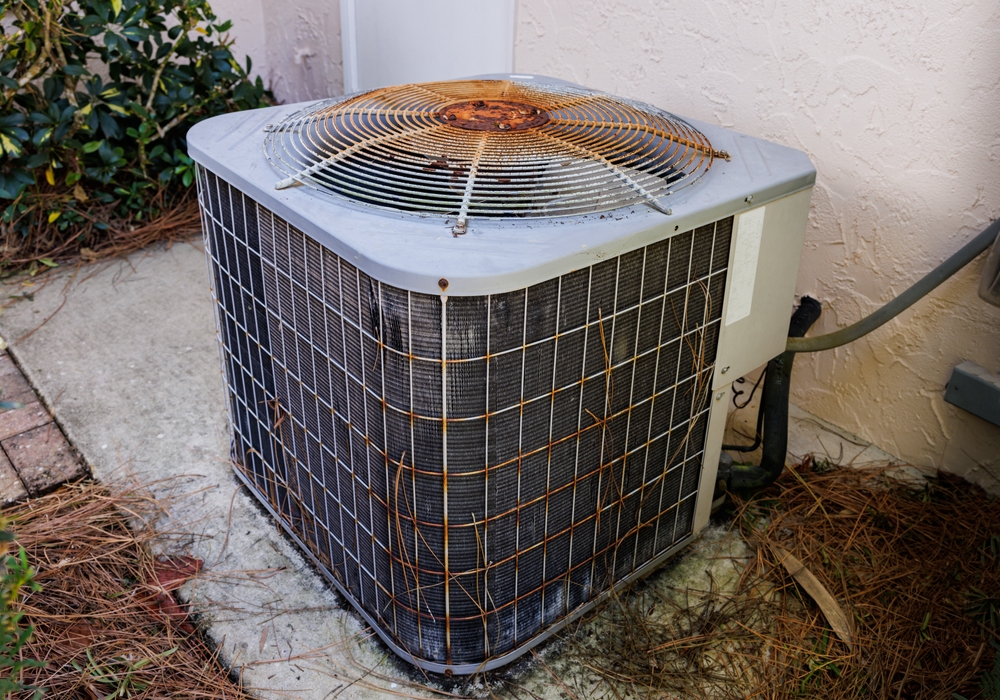
If you’ve been wondering how to save money on a new HVAC system, now’s the time to act. Federal tax credits for energy-efficient heating and cooling systems are set to expire at the end of 2025, and upgrading before the deadline could save you hundreds—or even thousands—on up-front costs. Here’s what homeowners need to know about these limited-time savings and how to make the most of them before they’re gone.
Tax Credit for New HVAC System: What Homeowners Need to Know
The federal government offers tax credits through the Inflation Reduction Act to encourage homeowners to upgrade to energy-efficient heating and cooling systems. These incentives can help offset the upfront costs of installing new systems—but you must act fast.
There are two main credits you should know about:
The Energy Efficient Home Improvement Credit
- Homeowners can claim 30% back on the cost of installing a qualified heat pump, up to $2,000.
- High-efficiency air conditioners or gas furnaces are eligible for a 30% credit, up to $600 per system.
- This credit also covers installation costs, making upgrades more affordable.
The Residential Clean Energy Credit
- Offers 30% back for installing a Water Furnace geothermal heat pump.
- These systems are more efficient than traditional HVAC setups, and this credit helps make the initial investment easier to manage.
Important Note: All installations must be completed by December 31, 2025, to qualify. The expiration date comes earlier than originally planned due to the One Big Beautiful Bill Act in July 2025.
Why You Should Upgrade Now
While energy-efficient HVAC systems can cost more upfront, these tax credits significantly reduce the net price. Here’s why acting now is smart:
- Avoid missing out: Once the credits expire at the end of 2025, homeowners will no longer be able to claim these savings.
- Maximize your investment: Heat pumps, high-efficiency air conditioners, and furnaces all become much more affordable with the credits applied.
- Increase home value: Installing an energy-efficient HVAC system can make your home more attractive to future buyers.
Even small upgrades can add up. For example:
- Air-sealing systems: up to $600 credit
- Home energy audit: up to $150 credit
- Electrical supply upgrades needed for energy-efficient systems: up to $600 credit
These smaller incentives can be stacked with your main HVAC tax credits, helping you save even more.
Energy Savings Beyond the Tax Credit
Upgrading to an energy-efficient HVAC system doesn’t just save you money on installation; it can lower your monthly energy bills for years to come. Heat pumps, high-efficiency air conditioners, and geothermal systems use less energy than traditional HVAC equipment, which means you’ll pay less for heating and cooling throughout the year. Combining these savings with federal tax credits maximizes the overall value of your investment, making your home both more comfortable and more cost-effective.
Maximize Your Savings With Charleston Rebates
Another way to maximize your savings on an HVAC upgrade is by taking advantage of Dominion Energy’s local rebate programs. These rebates in the Charleston area are designed to encourage homeowners to switch to more energy-efficient systems, helping you save money upfront while lowering your long-term energy costs.
Homeowners can earn up to $500 in rebates for installing an ENERGY STAR® certified heat pump or air conditioner, and $350 for upgrading to a high-efficiency natural gas furnace with at least a 95% AFUE (Annual Fuel Utilization Efficiency) rating. Even if you’re not replacing your system, you can still take advantage of a $300 rebate for ductwork sealing and insulation, an easy, cost-effective way to improve efficiency and comfort.
By combining these Dominion Energy rebates with available federal tax credits, Charleston homeowners can significantly offset the cost of replacing or upgrading their HVAC system.
How to Choose the Right Energy-Efficient Heating and Air Conditioning System
Not sure which system is best for your home? Start by considering your home’s size, insulation, and climate.
- Heat pumps are ideal for Charleston’s mild winters and can provide both heating and cooling.
- High-efficiency air conditioners are a great choice if you mainly want to reduce summer energy bills.
- Geothermal systems offer the best long-term efficiency but require a higher upfront investment.
If you’re still unsure, check out our guide on how to decide which heating and air system to purchase.
Combining Federal Credits With Local Savings
Some states also offer guidelines, rebates, and credits for energy-efficient home upgrades. In South Carolina, the state-level geothermal system credit expired in 2021, but homeowners can still qualify for the federal credit.
While combining state and federal incentives can sometimes be tricky, in most cases, you can stack them as long as your state program does not rely on federal funding. This means more opportunities to reduce costs and make your HVAC upgrade budget-friendly.
How to Claim HVAC Tax Credits
Here’s a quick guide to get started:
- Install a qualifying system (heat pump, high-efficiency air conditioner, gas furnace, or geothermal heat pump) before December 31, 2025.
- Keep all receipts and documentation for the cost of equipment and installation.
- File your taxes using IRS Form 5695 to claim the credit.
If you’re unsure which systems qualify or how to file, a licensed HVAC professional or tax advisor can guide you.
Don’t Wait — Install Before 2026 to Save Money on a New HVAC System
The window to save money on a new HVAC system is closing quickly. Installing a new energy-efficient heating or cooling system before December 31, 2025, means you can take full advantage of these expiring federal tax credits.
Whether you’re looking to replace an aging furnace, upgrade your air conditioner, or install a geothermal system, these credits make it more affordable than ever.
Common Questions About HVAC Tax Credits for 2025
Q: Can I claim the HVAC tax credit if I only partially replace my system?
A: Yes! The credit applies to any qualifying energy-efficient equipment you install, even if you don’t replace your entire system.
Q: Can I combine federal and state incentives for energy-efficient heating and air conditioning systems?
A: In most cases, yes. Federal tax credits can often be combined with state or local rebates, as long as the state program does not rely on federal funding. This can help you maximize your overall savings on energy-efficient upgrades.
Q: How do I document my HVAC installation for taxes?
A: Be sure to keep all receipts, invoices, and any documentation from your HVAC contractor showing the system you purchased and installed. You’ll need this information to file IRS Form 5695 to claim your credit.
Save Money on a New HVAC System with the Best HVAC Company in Charleston, SC
Are you ready to take advantage of these expiring HVAC tax credits before the end of 2025? Let our experts guide you in choosing and installing the ideal energy-efficient system for your home. Contact Charleston’s best HVAC team today to save money on your new HVAC system before the 2025 tax credits expire.