When it comes to heating and cooling your home, there’s a lot of advice out there, but not all of it is accurate. Some of the most widely believed ideas about HVAC systems could be doing more harm than good. If you’ve ever wondered what’s true and what’s just a myth, you’re not alone. AGL’s Trane comfort specialists are here to help you separate fact from fiction because when it comes to home comfort and choosing the best HVAC system for your circumstances, the truth matters. Follow along to see which HVAC myths you might be falling for, and what you should know instead.
Myth 1: Bigger HVAC Systems Perform Better
While larger HVAC systems can offer more power, bigger isn’t always better. An oversized unit can turn on and off too often, a problem known as short cycling, which wastes energy and leads to uneven temperatures throughout your home. It can also have trouble controlling humidity, especially in a climate like Charleston’s, making your home feel less comfortable. Plus, the extra strain on the system can lead to more repairs and a shorter lifespan.
The best HVAC system is one that’s properly sized for your space. That’s why it’s important to have a professional assess your home’s layout, square footage, insulation, and other key factors. With the right fit, your system will run more efficiently, save energy, and keep your home consistently comfortable.
Myth 2: Upgrading Your HVAC System Is Too Expensive
At first glance, upgrading your HVAC system might seem like a costly investment. But in reality, the long-term savings often outweigh the upfront cost. Today’s systems, especially high-efficiency models from Trane, are designed to use less energy, which means lower monthly utility bills and more money in your pocket over time.
Upgraded systems also offer improved comfort and performance. Features like variable-speed blowers, smart thermostats, and enhanced humidity control help maintain consistent temperatures and air quality throughout your home.
Even better? Specials and promotions such as federal tax incentives and manufacturer rebates can make your initial investment more affordable than you may think.
Myth 3: If It’s Still Running, You Don’t Need to Replace It
Just because your HVAC system is still running does not mean it is running efficiently. If your system is more than 10 to 15 years old, it may be using significantly more energy than newer models. In fact, according to the U.S. Department of Energy, replacing an outdated system with a high-efficiency unit can save homeowners up to 20 to 40 percent on heating and cooling costs.
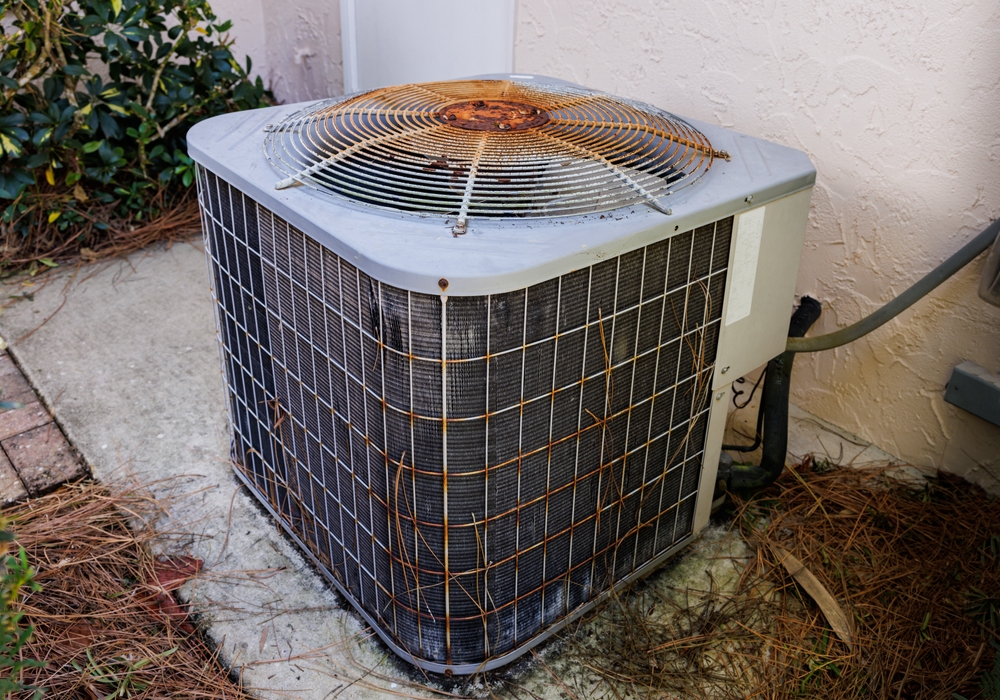
If your current system struggles to maintain a consistent temperature or your energy bills are steadily increasing, it could be time to consider a replacement. Upgrading before your system fails allows you to make a more informed decision and avoid the discomfort of a breakdown during extreme weather.
Myth 4: Open Windows, Lower Energy Bills
When temperatures are mild and the weather feels just right, opening your windows can sound like an appealing way to cool your home and let in fresh air. While this can provide temporary relief, it’s important to understand the limitations of relying on open windows as a long-term cooling strategy.
Open windows can introduce outdoor humidity, which makes it harder for your HVAC system to maintain a consistent indoor temperature. Over time, this can lead to increased energy use and added strain on your system.
If you’ve noticed higher indoor humidity, it may be a sign that your current HVAC system isn’t managing moisture as efficiently as it could. Newer systems, especially those designed with advanced humidity control, can help maintain comfort while using energy more effectively.
Myth 5: Closing Vents in Unused Rooms Saves Energy
It might seem like a simple way to save energy, but closing vents in unused rooms can do more harm than good. While the intention is to cut down on heating and cooling costs, this practice can disrupt your HVAC system’s airflow and reduce overall efficiency.
When vents are closed, pressure builds within the ductwork. This can lead to air leaks, increased strain on your system, and uneven temperature distribution throughout your home. Over time, these issues may cause wear and reduce the lifespan of your equipment.
A more effective solution is to ensure your HVAC system is properly sized for your home’s layout and needs. Pairing it with a programmable thermostat or zoning system can help manage energy use without compromising comfort or efficiency.
Your Source for Trusted HVAC Services in Charleston, SC
Don’t let outdated advice or common HVAC myths stand in the way of your home’s comfort and efficiency. Whether it’s the size of your system, how you use your vents, or whether it’s time for an upgrade, separating fact from fiction can make a big difference in your energy bills and overall comfort. Understanding how your heating and cooling system truly works is the first step toward making smarter, more cost-effective choices for your home.
At AGL Heating and Air, we’re proud to be your trusted source for heating and air in Charleston, SC. As a certified Trane Comfort Specialist, we offer expert service, professional load calculations, and energy-efficient system upgrades. Whether you’re dealing with an aging system or ready to explore the latest in air conditioning solutions, our team is here to help you make informed decisions and enjoy year-round comfort. Contact us today to schedule a consultation with the Charleston heating and air specialists.